01Where it sits in the catalog
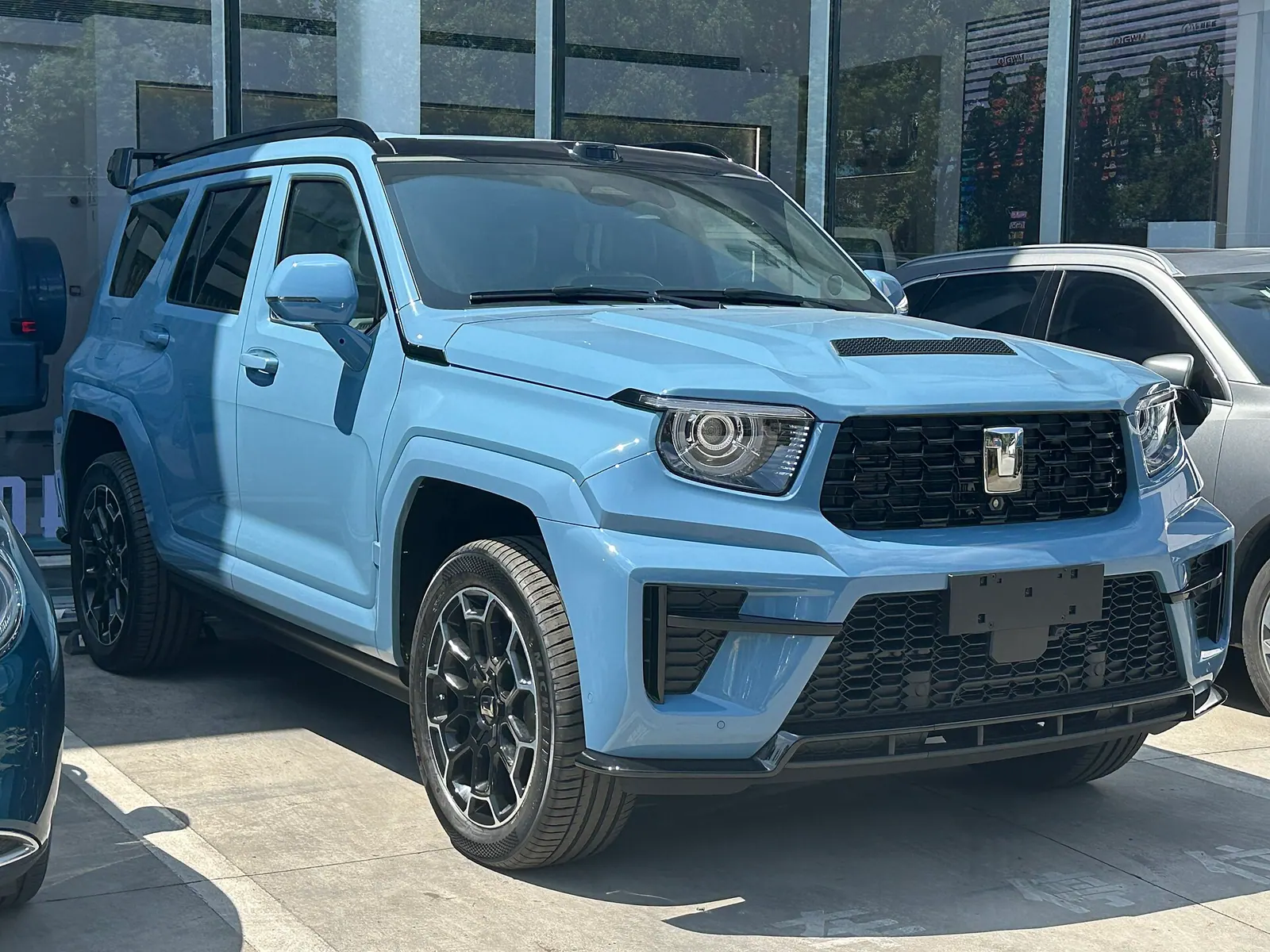
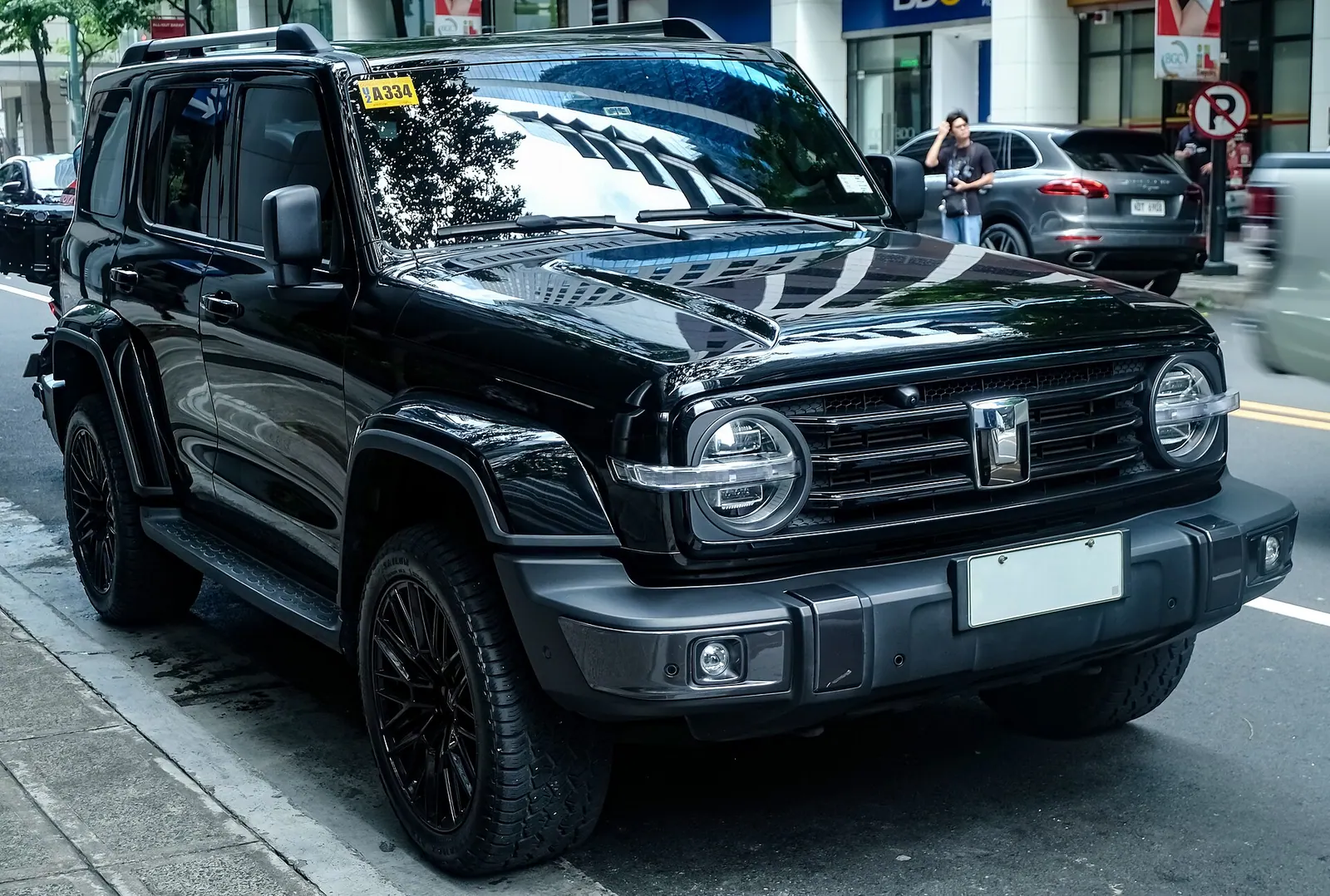
Tank 700 PHEV is recorded as a Mid-large SUV with SUV bodywork, 5 / 6 seats and a PHEV powertrain. Across the catalogued versions, the China price spans €54,900–€89,700(¥428,000–¥700,000). The dataset currently holds 5 trims for this model, and the figures on this page belong to the representative configuration rather than an average of them.
By the latest recorded monthly sales it ranks #81 in the dataset overall and #14 among 15 Mid-large SUV entries. A rank is a dated sales result, not a quality score: it depends on price changes, supply, the number of variants on sale and the month chosen. The class label is derived from dimensions and body style by our classification rules, not asserted by the manufacturer, so it is a comparison aid rather than an official segment.
02Battery, range and charging
The catalogued battery capacity is 37.1–59.05 kWh. The representative trim carries 59.05 kWh and is rated at — CLTC. Across trims, electric range spans —. Combined range is recorded as 1,191 km on the WLTC cycle, and it stays a separate figure from electric-only range.
Consumption is recorded as —. The source does not record a fast-charge window for the representative trim. CLTC is a Chinese test cycle; it is not a WLTP or EPA figure and this site does not convert between them. A CLTC number is useful for comparing catalogued vehicles under one rule, not for predicting a motorway journey in another country.
03Size and everyday practicality
Length is 5,105–5,445 mm, width 2,061–2,126 mm, height 1,985–2,021 mm and wheelbase 3,000–3,150 mm. The source does not record a boot volume. These are source measurements for the catalogued versions, not a claim that the largest body contains the most usable space.
A showroom check answers what a table cannot: whether a child seat fits behind your driving position, whether the boot opening clears a pram, how easily the second row is reached and whether the controls fall to hand. Seating is listed as 5 / 6; do not assume a version with the same seat count has the same layout.
04Performance and drivetrain
Maximum power spans 395–635 kW. Acceleration is 5.6 s and top speed 190 km/h. The catalogued versions do not include an all-wheel-drive variant. Vehicle-to-load output is 6 kW.
These are catalogued outputs, not a road test. A power figure does not describe how a car delivers torque, how the suspension handles its weight or how the brakes cope with repeated stops. Those questions need a demonstration in the conditions you actually drive in.
05Sales: what the number can and cannot tell you
The latest recorded month shows 1,543 units, with a best listed rank of #11. The dataset tracks 1 month for this model, with the highest recorded month in 2026-08.
Sales are vehicle units from the cited China-market ranking tables. They are not page views, enquiries, registrations or an editorial score. A single month can be distorted by deliveries catching up after a holiday, a price change or a model-year switch. Read the trend, the source month and the exact model name before drawing a conclusion.
06What the record does not establish
This dossier is a sourced specification and sales record. It is not an independent range test, a crash test, a reliability study or a warranty review. The current dataset has no confirmed value for CLTC electric range, boot volume, consumption, fast-charge window, battery technology; those fields stay empty rather than borrowing a figure from another trim or a rival.
No star rating, owner score or aggregate review is published here. Owner discussion is hosted by Autohome in Chinese and linked, not copied. If a specification matters to your purchase, ask the seller for the dated document that applies to the exact version being delivered.
07Questions to take to a seller
1. Which exact trim, battery and model year is this quotation for? 2. What is the battery chemistry, and what charging guidance does the manufacturer give for daily use? 3. What does the written warranty cover, and which organisation honours it in my market? 4. Where will high-voltage repairs be carried out, and what happens if the car cannot be driven? 5. Which driver-assistance functions are enabled at delivery, and which depend on a later software release?